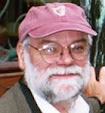
Forgive me for not posting blog entries lately. I apparently have a fierce and inexplicable case of writer's block. But I did want to write a brief post today on Martin Luther King, Jr. A few years ago I wrote a piece in this blog on what I was doing the day MLK was murdered. What was left out of that posting was the impact of MLK on me--and on the world.
I was just becoming awake to the world when Martin Luther King, Jr. was murdered on April 4, 1968. I was a 19-year-old college sophomore studying for the year in Salzburg and Innsbruck, Austria. That year in Europe put America in a different light for me. Europeans were very aware and concerned about the poverty and racism in America. And they seemed very worried about and opposed to the Vietnam War. I should have cared more about these issues, but I guess I was still somewhat insulated from them. I grew up in Euclid, Ohio. During my high school years, Euclid had a population of some 70,000 people, none of whom, as far as I knew, were Black. The Vietnam war had affected Euclid, but even that didn't penetrate my consciousness much--even though a St. William's and St. Joe's classmate, Raymond "Buddy" Chasser, had been killed in Vietnam. A year after MLK was murdered in Memphis, my own cousin, Tommy Fitzpatrick (again, of Euclid, St. William's, St. Joe's, and Euclid High School), was killed in Vietnam. So I quickly woke up, with all these deaths, riots, and war all around us.
MLK's murder left me bewildered, and eventually led to my study of nonviolence, my own fight against racism (which continues!), and my involvement in both the Civil Rights movement, the protests against the Vietnam War, and, indeed, resistance to war in general. After college, I moved to Cincinnati and roomed with Chris Cotter in the poor Over-the-Rhine neighborhood. We both studied nonviolence, learned about poverty first-hand, and met many courageous people involved in both the Civil Rights movement and the movement to nonviolently resist war and the tools of war. That's when Chris and I met Marion and Ernest Bromley, Juanita and Wally Nelson, and Maurice McCrackin--and later, Dorothy Day. And we met a lot of Peacemakers and Catholic Workers--Peggy Scherer, Greg Haas, Henry Scott, John Luginbill, Kenny Przybylski, Dan Bromley, Richard Gale, Tim Jenkins, Chuck Matthei--and so many others. In Chris Cotter's last two years at Notre Dame, he was in the Peace Studies Program, working with great teachers like Jim Douglass, Charles McCarthy, John Howard Yoder, and many others. I got to meet Jim Douglass and Charles McCarthy--and I know Emmanuel Charles McCarthy, now a Melkite-rite Catholic priest, is still a profound influence on Chris and my friend Tim Musser (and really hundreds and hundreds of other people).
Some years after leaving Cincinnati, I decided to write a biography of Rev. Maurice McCrackin, the great peace and Civil Rights activist. I soon teamed up with Judith Bechtel (now Judith Blackburn), and were able to publish a bio of Mac through Temple University Press in 1991 (a 2nd edition is still for sale on Amazon.com)--Building the Beloved Community: Maurice McCrackin's Life for Peace and Civil Rights. Daniel Berrigan, SJ, wrote a foreword to our biography.
All of that was thanks to Martin Luther King, and yes, to his death, which opened up my eyes to the evil in the world and what could be done about it.
Of course this is only part of the story and omits the influence of people I encountered in Berea, Kentucky, like Mike and Peggy Rivage-Seul, Guy and Peggy Patrick, Anne Weatherford, and many more. And the marvelous people I have met, and still work with in Painesville and Cleveland, Ohio--like Kathy Flora, Dan and Kathy Philipps, Brian Rice, and many many more. Not to mention the impact of my wife Linda and my daughters, Julia, Carolan, and Emily.
There are many courageous allies out there. Martin Luther King, Jr. once said, "The arc of the moral universe is long, but it bends toward justice." There's work to be done, there are allies out there, and "we shall not be moved" by the forces of hatred and despair.
Showing posts with label Tommy Fitzpatrick. Show all posts
Showing posts with label Tommy Fitzpatrick. Show all posts
Wednesday, April 4, 2018
Monday, May 4, 2015
Four Dead in O-hi-o, Four Dead in O-hi-o. May 4, 1970
 |
| Tommy Fitzpatrick (left) in Vietnam. RIP 1969. Euclid Boy. |

Monday, December 22, 2014
Remembering My Cousin Jack Fitzpatrick, Murdered 43 Years Ago at Higbee's Department Store, Waiting in Line with His Children to See Santa
 |
| Tommy Fitzpatrick, left, in Vietnam |
 |
| Mary Finnegan Fitzpatrick |
 |
| Jack Fitzpatrick |
Forty-three years ago yesterday, December 21, 1971, my cousin Jack Fitzpatrick was brutally murdered while waiting in line to see Santa Claus with three of his four children. His wife, Mary Finnegan Fitzpatrick, was shopping nearby with their oldest daughter. Mary was near full-term pregnant, and their fifth child, Tommy, was born after his father's murder. Tommy was named after his uncle Tom Fitzpatrick, my cousin, who was killed in Vietnam two years earlier. The tragedy for my Uncle Al and Aunt Catherine Fitzpatrick was beyond comprehension--two of their children violently killed within two years. The ripples of this killing have not ended. Our family is still terribly bruised by this tragedy.
The murderer of my cousin was Tyrone Howard. In an amazing twist of fate, Tyrone's son is one of America's most famous actors, Terrence Howard. Terrence was two years old, and was there at Higbee's, when his father murdered my cousin.
Jack Fitzpatrick was about 12 years older than me, so my memories of him are somewhat skewed by that age difference. He was a kind of hero in the family. He was the oldest Fitzpatrick grandson of my grandparents, Jack and Margaret Ann Sullivan Fitzpatrick. He had been a seminarian, studying for the priesthood for a time at Borromeo Seminary in Wickliffe, Ohio. He was the first relative to ever graduate from college--from John Carroll University. He had been an ROTC officer, if I remember correctly.
I heard the news listening to a scratchy TV news program in Cincinnati, in my Over-the-Rhine apartment. I came back to Euclid, to St. William's, for the funeral, which was held on Christmas Eve. I can't forget Mary's inconsolable keening, and the family and community's deep deep sorrow.
Mary recovered from this tragedy and lived a good life, with many friends. She did a fine job raising her children. Her children have led good lives. My Dad helped Mary and her children a lot through all of this.
The Light shines in the darkness, And the darkness has not overcome it.
Wikipedia article on Jack Fitzpatrick's murder.
Saturday, November 22, 2014
I remember November 22, 1963--The Murder of John F. Kennedy
I wrote this a few years ago and want to post it again on the 54th anniversary of the assassination of John F. Kennedy, something that still wounds me deeply:
It would be hard for anyone outside of my age, ethnic, social, and cultural context to understand how November 22, 1963, the assassination of John F. Kennedy, is etched on my soul. There is no adequate metaphor: etched, branded, tattooed. The day, the death, the memories will always be there, always be a part of me.

I think in part it's because John Kennedy, "Jack" we liked to call him, as if he were a friend of the family, it's because he represented what we longed to be. I was from a struggling, working-class Irish-Catholic family. John Kennedy came from the same roots--the exiled Irish, streaming out of famine and post-famine Ireland, where there was massive death, disease, and starvation everywhere. And then trying to find your way in a new society. By the time I was born in 1948, we had come a long way--90 years after our immigrant great grandparents came to America's shores. We had a lot of wonderful gifts: our tight Catholic religious community, our large and loving families and extended families ( I joke that my parents and I didn't have friends--we had relatives. It is the truth!). But we also had terrible problems with alcoholism, untreated anxiety and mental illness, and we faced plenty of prejudice. Very few people acknowledge that now, but it was the truth. Catholics, even in the 1950's and 1960s, were victims themselves of discrimination and prejudice (and we were full of that same vice towards others, I am sad to say). John F. Kennedy seemed like a vision to us, of what could be: he was more handsome, richer, better educated--yet full of his own problems, we later discovered, many far worse than our own ills and sins.
When I heard around 2:05 PM that November 22nd, that Black Friday, sitting in my religion class as St. Joseph High School in Cleveland--when Brother Stanley Matthews came over the PA system and told us, "Boys, he's been shot. The president has been shot," we were stunned beyond belief. It was as if my own Father had been shot. I remember how we prayed for the next half hour, when Brother Stanley came on again and said, "Boys, he's gone, he's dead. Pray for him, his family. Pray for yourselves and the world."
And that is what we did.
We, of that generation, knew a lot of terrible deaths, and we took them personally. John F. Kennedy, Martin Luther King Jr., Robert Kennedy. And then the Vietnam War, and cousins, classmates, friends getting killed: Tommy Fitzpatrick, Buddy Chasser, Steve Shields.
So I am marked by this day. I know my cousin Maggie Brock is also deeply marked. As are so many in my family, among my friends, in my generation.
Five years after John F. Kennedy's assassination, Brian Wilson and I were traveling in Greece during our spring break (we were Notre Dame students studying abroad in Austria). It was the day after Martin Luther King Jr. had been murdered. Brian and I were invited into a modest home near Matala, Crete. The man of the house wanted to show us his bouzouki and tell us of relatives in America. On the wall of his home were two pictures: Pope John XXIII, and John F. Kennedy.
Pope John would not have been his religious leader, for this man was Greek Orthodox. And JFK would not have been his president. But there it was--two heroes. Yes, we know JFK's clay feet, we know his catalogue of sins and faults. But I was inspired by him to try to make the world a better place. And his assassination on this day 51 years ago is etched indelibly into my heart.
Postscript: Pat Denny, a friend of mine, read this blog entry and sent me some of her own reflections on that fateful day. Pat was a freshman at Regina High School in South Euclid on November 22, 1963. Here is what she wrote me--I appreciate it so much!
"We were in an assembly. Principal (Sr. Mary Marthe) interrupted the program when the news was first announced. The program resumed, and later she returned and ended the program when the news of his dying came in. All our buses came earlier than usual, as I'm recalling. We all prayed the rosary all the way home from Regina to 260th bus stop in Euclid. Overwhelming sadness and grief punctuated that entire weekend, and for many days after as we followed the TV coverage. We were at such an impressionable age when it happened. Our hearts still ache when we recall it all."
It would be hard for anyone outside of my age, ethnic, social, and cultural context to understand how November 22, 1963, the assassination of John F. Kennedy, is etched on my soul. There is no adequate metaphor: etched, branded, tattooed. The day, the death, the memories will always be there, always be a part of me.
I think in part it's because John Kennedy, "Jack" we liked to call him, as if he were a friend of the family, it's because he represented what we longed to be. I was from a struggling, working-class Irish-Catholic family. John Kennedy came from the same roots--the exiled Irish, streaming out of famine and post-famine Ireland, where there was massive death, disease, and starvation everywhere. And then trying to find your way in a new society. By the time I was born in 1948, we had come a long way--90 years after our immigrant great grandparents came to America's shores. We had a lot of wonderful gifts: our tight Catholic religious community, our large and loving families and extended families ( I joke that my parents and I didn't have friends--we had relatives. It is the truth!). But we also had terrible problems with alcoholism, untreated anxiety and mental illness, and we faced plenty of prejudice. Very few people acknowledge that now, but it was the truth. Catholics, even in the 1950's and 1960s, were victims themselves of discrimination and prejudice (and we were full of that same vice towards others, I am sad to say). John F. Kennedy seemed like a vision to us, of what could be: he was more handsome, richer, better educated--yet full of his own problems, we later discovered, many far worse than our own ills and sins.
When I heard around 2:05 PM that November 22nd, that Black Friday, sitting in my religion class as St. Joseph High School in Cleveland--when Brother Stanley Matthews came over the PA system and told us, "Boys, he's been shot. The president has been shot," we were stunned beyond belief. It was as if my own Father had been shot. I remember how we prayed for the next half hour, when Brother Stanley came on again and said, "Boys, he's gone, he's dead. Pray for him, his family. Pray for yourselves and the world."
And that is what we did.
We, of that generation, knew a lot of terrible deaths, and we took them personally. John F. Kennedy, Martin Luther King Jr., Robert Kennedy. And then the Vietnam War, and cousins, classmates, friends getting killed: Tommy Fitzpatrick, Buddy Chasser, Steve Shields.
So I am marked by this day. I know my cousin Maggie Brock is also deeply marked. As are so many in my family, among my friends, in my generation.
Five years after John F. Kennedy's assassination, Brian Wilson and I were traveling in Greece during our spring break (we were Notre Dame students studying abroad in Austria). It was the day after Martin Luther King Jr. had been murdered. Brian and I were invited into a modest home near Matala, Crete. The man of the house wanted to show us his bouzouki and tell us of relatives in America. On the wall of his home were two pictures: Pope John XXIII, and John F. Kennedy.
 |
| John XXIII |
Pope John would not have been his religious leader, for this man was Greek Orthodox. And JFK would not have been his president. But there it was--two heroes. Yes, we know JFK's clay feet, we know his catalogue of sins and faults. But I was inspired by him to try to make the world a better place. And his assassination on this day 51 years ago is etched indelibly into my heart.
Postscript: Pat Denny, a friend of mine, read this blog entry and sent me some of her own reflections on that fateful day. Pat was a freshman at Regina High School in South Euclid on November 22, 1963. Here is what she wrote me--I appreciate it so much!
"We were in an assembly. Principal (Sr. Mary Marthe) interrupted the program when the news was first announced. The program resumed, and later she returned and ended the program when the news of his dying came in. All our buses came earlier than usual, as I'm recalling. We all prayed the rosary all the way home from Regina to 260th bus stop in Euclid. Overwhelming sadness and grief punctuated that entire weekend, and for many days after as we followed the TV coverage. We were at such an impressionable age when it happened. Our hearts still ache when we recall it all."
Tuesday, June 10, 2014
Part of My Family--May 1957, at Susie Brock's First Communion Party
 |
| Bobby Coughlin, age 8; Aunt Catherine Fitzpatrick; Dad, age 35 |
Every year we had another First Communion party, sometimes more than one. We had lots of cousins. These parties were great fun.
There must have been some sort of rule that in every family picture someone had to be drinking a beer. Here Dad is drinking a Carling Black Label.
Monday, May 26, 2014
Memorial Day. And Dad's 92nd Birthday.
Today my Dad would have been 92 years old. He was born in Cleveland on May 26, 1922, to Cora Esther Bowers Coughlin and Cornelius (Connie) Francis Coughlin. Both my grandparents were first generation Americans. In 1922 they lived around East 87th Street, between St. Clair and Superior. My Dad was the third child, after Fran and Jack. Bill was born about a year and a half later. And Bernice followed Bill. My grandparents' marriage seemed a little odd--Connie was a rough and ready Irishman and a great semi-pro baseball player. My grandmother was the daughter of a bridge engineer, Frank Bowers (changed from Bauer) and Mary Voelker. My impression is that they were upper middle class. So Cora married a guy who was in a lower social class. But Connie had charm and smarts. He was funny, affable, a great athlete, with lots of friends.Their marriage lasted about 43 years, until my Grampa's death in 1960.
During World War II, their 4 boys were all in the service, all over seas. My Dad was a signalman in the Navy, and spent most of his 4 years in the South Pacific, on very small ships (including wooden Subchasers!). We honor him today, his birthday, and Memorial Day.
Today I also think about my cousin Tommy Fitzpatrick, who was just 6 months older than me. Tommy was killed in Vietnam in 1969, just 21 years old. His death is an unending ache to his family and friends.
I also think about my Notre Dame/Innsbruck friend, Steve Shields. I studied with Steve in Salzburg and Innsbruck, Austria in 1967-68, and we graduated from Notre Dame together in 1970. Just a couple years later, around age 23 or 24, Steve's helicopter was shot down in Vietnam and he was killed. Rest in Peace, Tommy and Steve.
I also think about some of the unsung heroes of the Civil Rights and Peace Movement on Memorial Day. There is no official holiday for them, but they are also heroes for our country and our world. Names that come quickly to mind are Ernest and Marion Bromley, Maurice McCrackin, and Chuck Matthei. But there are many more, many whose names are totally lost to history.
So to all the heroes, both of wars and of the struggle for peace and justice, we say Thank You!
During World War II, their 4 boys were all in the service, all over seas. My Dad was a signalman in the Navy, and spent most of his 4 years in the South Pacific, on very small ships (including wooden Subchasers!). We honor him today, his birthday, and Memorial Day.
Today I also think about my cousin Tommy Fitzpatrick, who was just 6 months older than me. Tommy was killed in Vietnam in 1969, just 21 years old. His death is an unending ache to his family and friends.
I also think about my Notre Dame/Innsbruck friend, Steve Shields. I studied with Steve in Salzburg and Innsbruck, Austria in 1967-68, and we graduated from Notre Dame together in 1970. Just a couple years later, around age 23 or 24, Steve's helicopter was shot down in Vietnam and he was killed. Rest in Peace, Tommy and Steve.
I also think about some of the unsung heroes of the Civil Rights and Peace Movement on Memorial Day. There is no official holiday for them, but they are also heroes for our country and our world. Names that come quickly to mind are Ernest and Marion Bromley, Maurice McCrackin, and Chuck Matthei. But there are many more, many whose names are totally lost to history.
So to all the heroes, both of wars and of the struggle for peace and justice, we say Thank You!
 |
| Tommy Fitzpatrick in Vietnam (center) |
 |
| Dad and Mom, August 1947, Willoughby |
 |
| Steve Shields (left)--Salzburg, Austria [Also, Charlie Bradley, Brian Wilson, me, Mike Gerrity] |
Tuesday, May 20, 2014
May 20, 1956. St. William's Church. Euclid, Ohio--First Communion
Fifty-eight years ago today, I made my First Holy Communion at St. William's Church in Euclid, Ohio. The church was on East 260th Street, about 1/3 of a mile south of Lake Erie. These were the years when the World War II vets had their families, and thus the baby boom. So there were lots of us making our First Communion. Here's a wild guess on the numbers: 200-250. I was among the shortest of the kids in my class and I was paired up with Randy Wohlgemuth, 4th in line. Our pastor was Fr. John Fleming, a man gruff on the outside, with a heart of gold and great goodness about him (when my Dad was periodically unemployed, Fr. Fleming paid our utility bills!). The boys wore white shirts and ties (I probably had a clip-on bow-tie). The girls were dressed like brides, with white dresses, white gloves, and a lace veil over their heads. The image would have made the angels weep. I was 7 years old, a month short of my 8th birthday. Everybody was about that age, 7 or 8. This was the halcyon era for children in Euclid, and really all over America. We were very carefully prepared for First Communion by the Ursuline nuns and lay teachers of St. William's. One of the nuns who prepared me was Sr. Ruth Marie Behrend. I have recently come into contact with her nephew, Tim Behrend, who lives in Indonesia and has seen my blog. I believe Sr. Ruth Marie lives at the Ursuline Mother House in Pepper Pike, Ohio. My second grade teacher was Mrs. Bartrum (Bartroom?). I am grateful for these nuns and teachers.
I can't remember too many details of that mass. It must have been a solemn high mass, with glorious singing (most of it in Latin). That was in the pre-Vatican II era, so the congregation didn't participate much. Interaction between the celebrant and the altar boys would have been in Latin. The Gloria and Credo would have been sung in Latin, as would the Preface, the Sanctus, and the Agnus Dei.
I was terrified when I approached the altar rail at communion time. The thought of the living Jesus coming into my mouth in the form of unleavened bread was almost as much as I could take. I thought I would faint or die or maybe rise up into the air (no kidding!). I'm sure other kids were also confused, and in some cases scared. My cousin Tommy Fitzpatrick (who died in Vietnam 13 years later) didn't (or couldn't) swallow the host that day.
After the Communion we had a family party (all our friends were actually relatives, so we were related to everyone at the party). My grandparents and aunts and uncles came to our little house on East 266 Street, and as they arrived, they gave me a card. Inside was a dollar, sometimes two. At the end of the party, I counted up all my loot. I had $18, more money than I had ever seen. At the party the kids drank "Little Toms" and played baseball in the yard. The adults drank beer (a little wine was also available--Tommy and I sampled it), smoked their cigarettes, laughed and told stories.
That was my big day, 58 years ago today. The happiest day of my life.
The photo above was taken two years later, at my brother Denny's First Communion. The same folks would have been at my First Communion on May 20, 1956. Some of the people shown above: Jerry Fitzpatrick, Kay Coughlin, Grandma Cora Coughlin, Bill Coughlin, Bernice Coughlin Potter, Bill Brock, Grampa Connie Coughlin, Howard Classen, Jack Coughlin, Catherine Fitzpatrick, Maggie Brock, Julia Fitzpatrick Brock. Denny Coughlin is in front of Grampa Coughlin. Jill Potter Charske is in front of Grandma Cora. Annie Potter Anderson is obscured, just to the right of Denny Coughlin. I think Sheila Fitzpatrick is the woman in front, kneeling down. Jeannie Coughlin Struna might be in front of Kay Coughlin and just to the right of Jerry Fitzpatrick
I can't remember too many details of that mass. It must have been a solemn high mass, with glorious singing (most of it in Latin). That was in the pre-Vatican II era, so the congregation didn't participate much. Interaction between the celebrant and the altar boys would have been in Latin. The Gloria and Credo would have been sung in Latin, as would the Preface, the Sanctus, and the Agnus Dei.
I was terrified when I approached the altar rail at communion time. The thought of the living Jesus coming into my mouth in the form of unleavened bread was almost as much as I could take. I thought I would faint or die or maybe rise up into the air (no kidding!). I'm sure other kids were also confused, and in some cases scared. My cousin Tommy Fitzpatrick (who died in Vietnam 13 years later) didn't (or couldn't) swallow the host that day.
After the Communion we had a family party (all our friends were actually relatives, so we were related to everyone at the party). My grandparents and aunts and uncles came to our little house on East 266 Street, and as they arrived, they gave me a card. Inside was a dollar, sometimes two. At the end of the party, I counted up all my loot. I had $18, more money than I had ever seen. At the party the kids drank "Little Toms" and played baseball in the yard. The adults drank beer (a little wine was also available--Tommy and I sampled it), smoked their cigarettes, laughed and told stories.
That was my big day, 58 years ago today. The happiest day of my life.
 |
| May 1958--Denny's First Communion. Euclid, Ohio. |
Wednesday, March 5, 2014
How Did Vietnam Protesters Treat Soldiers Who Fought in Vietnam?
This is my last response to my niece Rachel Sanders, who is doing a college project on the Vietnam War. I'm not sure I ever want to write on this topic again (though I am grateful that Rachel asked me about all this).
A point I want to make very clear and unambiguous: The soldiers who fought in Vietnam were our friends, our brothers, our cousins, our classmates. We did not hate them. We loved them, admired their courage, were even grateful, in a way, for their service.
There were very few differences between them and us. We never spit on the returning soldiers, we never jeered them. Despite what has been said over and over--I never saw saw any of this. Perhaps it happened somewhere, but I never saw it. I loved my cousin Tommy Fitzpatrick, killed in the war. I loved and admired my Notre Dame classmate Steve Shields, killed in the war. I loved my brother Denny, who was in the Navy in the Vietnam theatre. I enjoyed hearing Euclid firefighter Mike Walsh's Vietnam stories. Same for Charlie Celizic. These were our family members and friends. We did not hate them.
Some of the soldiers who came back from Vietnam joined our protest. There was an organization called "Vietnam Vets Against the War." One of the great men in the United States, Secretary of State John Kerry, was both a Vietnam hero and a protester against the war.
[Thanks for this opportunity, Rachel, to remember. I do feel a little beat up now by the process of recalling so many painful things. And like I said, I think I am done, maybe forever, writing on this topic.]
A point I want to make very clear and unambiguous: The soldiers who fought in Vietnam were our friends, our brothers, our cousins, our classmates. We did not hate them. We loved them, admired their courage, were even grateful, in a way, for their service.
There were very few differences between them and us. We never spit on the returning soldiers, we never jeered them. Despite what has been said over and over--I never saw saw any of this. Perhaps it happened somewhere, but I never saw it. I loved my cousin Tommy Fitzpatrick, killed in the war. I loved and admired my Notre Dame classmate Steve Shields, killed in the war. I loved my brother Denny, who was in the Navy in the Vietnam theatre. I enjoyed hearing Euclid firefighter Mike Walsh's Vietnam stories. Same for Charlie Celizic. These were our family members and friends. We did not hate them.
Some of the soldiers who came back from Vietnam joined our protest. There was an organization called "Vietnam Vets Against the War." One of the great men in the United States, Secretary of State John Kerry, was both a Vietnam hero and a protester against the war.
 |
| John Kerry |
[Thanks for this opportunity, Rachel, to remember. I do feel a little beat up now by the process of recalling so many painful things. And like I said, I think I am done, maybe forever, writing on this topic.]
Friday, February 28, 2014
How We Got the News about the Vietnam War
My niece Rachel Sanders asked this question:
7. How did you receive most of your news about what was going on in the US and world during the time?
At the beginning of the Vietnam War, I heard some news on the nightly network news programs--CBS with Walter Cronkite, NBC with Chet Huntley and David Brinkley, and less so, ABC. I also watched some of the Today show on NBC back then. There were 3 TV stations in those days--at least on my TV. All programs were broadcast, received over antennas. There was no cable TV and no internet. The internet was not even dreamed about. Of course there were no cell phones (though the Dick Tracy comic strip imagined such a thing).
I also read the Cleveland Plain Dealer (and delivered it!).
While a student at the University of Notre Dame, I saw almost no television until about 1969-70. Almost no students had televisions in their dorm rooms and even radio broadcasts were hard to pick up in the dorms. I often did see the South Bend Tribune and sometimes the Chicago Sun Times. At lunchtime we could sometimes hear the Paul Harvey's radio show broadcast over the PA system. For the most part these were very conservative sources of news, pro-war, super patriotic (in one sense of the word). To be against the war was to be both a traitor and a coward.
Gradually the reality of the war began to sink in, even to the point where Walter Cronkite could no longer echo the Pentagon line--and he started telling it the way it was.
One odd dimension of the news on Vietnam were the body count statistics. It was like keeping score. We heard of hundreds or thousands of Viet Cong deaths every week, and far fewer American deaths (though even these eventually added up to over 55,000--including my cousin (Tommy Fitzpatrick), my Notre Dame friend and classmate (Stephen Shields), and a St. William's classmate (Buddy Chasser).
Toward the end of the war there were many other sources of news--alternative newspapers, newsletters, magazines, and journals. The truth was getting out there, slowly but surely. I helped with one of these newsletters, The Peacemaker, published by Ernest and Marion Bromley, out of the village of Gano, north of Cincinnati, Ohio.
7. How did you receive most of your news about what was going on in the US and world during the time?
At the beginning of the Vietnam War, I heard some news on the nightly network news programs--CBS with Walter Cronkite, NBC with Chet Huntley and David Brinkley, and less so, ABC. I also watched some of the Today show on NBC back then. There were 3 TV stations in those days--at least on my TV. All programs were broadcast, received over antennas. There was no cable TV and no internet. The internet was not even dreamed about. Of course there were no cell phones (though the Dick Tracy comic strip imagined such a thing).
I also read the Cleveland Plain Dealer (and delivered it!).
While a student at the University of Notre Dame, I saw almost no television until about 1969-70. Almost no students had televisions in their dorm rooms and even radio broadcasts were hard to pick up in the dorms. I often did see the South Bend Tribune and sometimes the Chicago Sun Times. At lunchtime we could sometimes hear the Paul Harvey's radio show broadcast over the PA system. For the most part these were very conservative sources of news, pro-war, super patriotic (in one sense of the word). To be against the war was to be both a traitor and a coward.
Gradually the reality of the war began to sink in, even to the point where Walter Cronkite could no longer echo the Pentagon line--and he started telling it the way it was.
One odd dimension of the news on Vietnam were the body count statistics. It was like keeping score. We heard of hundreds or thousands of Viet Cong deaths every week, and far fewer American deaths (though even these eventually added up to over 55,000--including my cousin (Tommy Fitzpatrick), my Notre Dame friend and classmate (Stephen Shields), and a St. William's classmate (Buddy Chasser).
Toward the end of the war there were many other sources of news--alternative newspapers, newsletters, magazines, and journals. The truth was getting out there, slowly but surely. I helped with one of these newsletters, The Peacemaker, published by Ernest and Marion Bromley, out of the village of Gano, north of Cincinnati, Ohio.
Thursday, February 27, 2014
Most Poignant Memories of the Vietnam Era: Tommy Fitzpatrick, Steve Shields, Kent State Killings
This is a response to question #2, asked me by my niece Rachel Sanders:
2. What are some vivid memories you have about the time? What do you consider to be the most important events? Why?
The most important events for me personally were, for the most part, not the most important events nationally. The first event that hit me like a ton of bricks was the death in Vietnam of my first cousin, Tommy Fitzpatrick. I grew up about a mile away from Tommy in Euclid and I went to grade school, St. William's, with him. Oddly, our extended family was so large and close that we hardly had friends outside the family. Tommy was killed in April 18, 1969 (http://www.virtualwall.org/df/FitzpatrickTM01a.htm). He was 21-years-old, his whole life ahead of him. His funeral was at St. William's and he is buried at All Souls Cemetery in Chardon.
A second vivid memory was the death in Vietnam of my Notre Dame friend and classmate, Steve Shields. Steve studied with me in Salzburg and Innsbruck, Austria. He was brilliant, fun, and funny. Everybody loved Steve. At Notre Dame Steve was in Army ROTC and became an officer after college graduation. After a period of training, he went to Vietnam as a helicopter pilot. Steve's copter was shot down in June 20, 1972 (http://www.virtualwall.org/ds/ShieldsSE01a.htm). I went to his funeral in Philadelphia and his military burial at West Point.
A third poignant memory for me was the killings at Kent State on May 4, 1970. I cannot express how terrible and traumatic that was for me. Kent State was located very close to my home in Euclid, Ohio, and so many friends attended there. Even my cousin Maggie Brock was there that day. This was a turning point in my life and I think a turning point in public approval of the war.
The huge demonstrations against the war were memorable and the My Lai massacre March 16, 1968) was one of the most significant events, but personally the combat deaths of Tommy and Steve, and the killings at Kent State were the most affecting.
2. What are some vivid memories you have about the time? What do you consider to be the most important events? Why?
The most important events for me personally were, for the most part, not the most important events nationally. The first event that hit me like a ton of bricks was the death in Vietnam of my first cousin, Tommy Fitzpatrick. I grew up about a mile away from Tommy in Euclid and I went to grade school, St. William's, with him. Oddly, our extended family was so large and close that we hardly had friends outside the family. Tommy was killed in April 18, 1969 (http://www.virtualwall.org/df/FitzpatrickTM01a.htm). He was 21-years-old, his whole life ahead of him. His funeral was at St. William's and he is buried at All Souls Cemetery in Chardon.
 |
| Tommy in Vietnam (left) |
A second vivid memory was the death in Vietnam of my Notre Dame friend and classmate, Steve Shields. Steve studied with me in Salzburg and Innsbruck, Austria. He was brilliant, fun, and funny. Everybody loved Steve. At Notre Dame Steve was in Army ROTC and became an officer after college graduation. After a period of training, he went to Vietnam as a helicopter pilot. Steve's copter was shot down in June 20, 1972 (http://www.virtualwall.org/ds/ShieldsSE01a.htm). I went to his funeral in Philadelphia and his military burial at West Point.
A third poignant memory for me was the killings at Kent State on May 4, 1970. I cannot express how terrible and traumatic that was for me. Kent State was located very close to my home in Euclid, Ohio, and so many friends attended there. Even my cousin Maggie Brock was there that day. This was a turning point in my life and I think a turning point in public approval of the war.
The huge demonstrations against the war were memorable and the My Lai massacre March 16, 1968) was one of the most significant events, but personally the combat deaths of Tommy and Steve, and the killings at Kent State were the most affecting.
Friday, November 11, 2011
Veterans' Day
On this Veterans' Day I want to remember my Dad, Robert P. Coughlin, and his brothers, Bill, Jack, and Fran, all World War II vets (all survived the war, all now deceased, two of them very damaged in spirit by their service).
Also, my Uncles Dick and Don Fitzpatrick, also World War II vets, also damaged in spirit by the war.
And Tommy Fitzpatrick, my cousin, who died in Vietnam in 1969; my Notre Dame and Innsbruck classmate, Steve Shields, who died in Vietnam in 1972.
And Michelle Zaremba, my niece, who fought in Iraq, and has fought (successfully) some PTSD demons.
"Dear Lord, bring just and lasting peace to the World!"
Also, my Uncles Dick and Don Fitzpatrick, also World War II vets, also damaged in spirit by the war.
And Tommy Fitzpatrick, my cousin, who died in Vietnam in 1969; my Notre Dame and Innsbruck classmate, Steve Shields, who died in Vietnam in 1972.
And Michelle Zaremba, my niece, who fought in Iraq, and has fought (successfully) some PTSD demons.
"Dear Lord, bring just and lasting peace to the World!"
Friday, May 20, 2011
My First Communion: 55 Years Ago Today
On May 20th, 1956--55 years ago to the day--I received my First Communion at St. William's Church, on East 260th Street in Euclid, Ohio. Sr. Ruth Marie, OSU [Ursuline], told us that this would be the happiest day of our lives. She was right.
I was born somewhat early in the Baby Boom, and Euclid was full of kids--and full of Catholics. I bet 60% of the residents of Euclid were Catholic back then (there were 7 Catholic churches in Euclid in the mid 1950's). Seven and eight-year-old boys were kept pretty separate: a line for the boys and a line for the girls, in order of height. I was fourth in line, being one of the shortest boys, and my partner was Randy Wohlgemuth (wonder where Randy is these days?). My cousin Tommy Fitzpatrick was much farther back in the line. I wouldn't be surprised if 200 kids made their First Communion that day.
Probably it was Fr. John Fleming who said the mass (the old Latin high mass). The church was packed to the rafters with kids, their parents, grandparents, and families. That old St. William's Church is now a gymnasium and sometimes bingo hall (sacrilege!)
We had a family party at my house on East 266th Street later that day--everybody came, grandparents, cousins, aunts, uncles. I received $18 dollars in presents--I couldn't believe my luck!

I was born somewhat early in the Baby Boom, and Euclid was full of kids--and full of Catholics. I bet 60% of the residents of Euclid were Catholic back then (there were 7 Catholic churches in Euclid in the mid 1950's). Seven and eight-year-old boys were kept pretty separate: a line for the boys and a line for the girls, in order of height. I was fourth in line, being one of the shortest boys, and my partner was Randy Wohlgemuth (wonder where Randy is these days?). My cousin Tommy Fitzpatrick was much farther back in the line. I wouldn't be surprised if 200 kids made their First Communion that day.
Probably it was Fr. John Fleming who said the mass (the old Latin high mass). The church was packed to the rafters with kids, their parents, grandparents, and families. That old St. William's Church is now a gymnasium and sometimes bingo hall (sacrilege!)
We had a family party at my house on East 266th Street later that day--everybody came, grandparents, cousins, aunts, uncles. I received $18 dollars in presents--I couldn't believe my luck!

First Communion Day, May 20, 1956--behind our house (655 East 266 Street, Euclid, Ohio):
Denny Coughlin, Susie Brock, Maggie Brock, Bobby Coughlin; in front of Maggie is Mary Ellen Coughlin). Allen Lane's house is on the left.


Saturday, October 24, 2009
Jack Pendergast's Funeral at Arlington National Cemetery


 [Photos: top, the piper who played a slow tune after the military burial ceremony; middle, a view of the graves at Arlington National Cemetery; bottom, the caisson, pulled by 6 white horses in the procession from the chapel to the burial site.]
This past Wednesday, my daughter Carolan, my brother Kevin, and I drove down from the Cleveland area to Washington, D.C. for the funeral of my cousin Jack Pendergast at Arlington National Cemetery. Jack died in early August, but there is a long delay for burial at our nation's most famous cemetery.
The ride on the Ohio and Pennsylvania turnpikes was beautiful. We exited the Pennsy Pike at Breezewood, and drove through the beautiful hills and mountains of northern Maryland--the hills dressed in their peak fall glory--to our motel in Alexandria, Virginia. I'm pretty sure my old Notre Dame-St. Mary's friend Rene Mirro lives in Alexandria; and I believe my new friend, Jim Sell, lives near there too. Jim is working on a memorial at Gonzaga High School for Steve Shields, my Notre Dame-Innsbruck buddy shot down in Vietnam in 1972. Unfortunately there was no time to visit with Rene or Jim.
We did get to wander around the old town and the Potomac riverside area of Alexandria Wednesday night. Everything there is so different from Cleveland. The area is very busy, very prosperous. Hundreds of people were out and about that night. Stores, boutiques, and restaurants were all busy. The city is dense, traffic is heavy, and there's an air of excitement in the air. All of this contrasts with current-day Cleveland!
In the morning we drove to Arlington National Cemetery and had quite an adventure just trying to get to the Old Post Chapel at Fort Myer--just outside the gates to the Cemetery. The problem apparently involved security clearance and we were forced to drive several miles to a special gate where we and our vehicle could be searched. The delay made us almost late for the funeral mass.
The chapel is quite simple and is certainly used for many different faiths. This would be a funeral mass, celebrated by Fr. O'Brien (I think that was his name), probably a family friend of Vicki and Jack Pendergast. I did recognize some faces in the congregation--Vicki Pendergast; and two Hogan relatives who had come from San Diego (Nancy Hogan Acevedo and Kay Hogan Love). I had seen their photos previously, sent to me by my brother Denny and his wife Sher. I'm sure Den and Sher wish they could have attended this funeral!
When the mass was over, the military procession to the burial site began. There was a military band, a caisson pulled by 6 white horses, and a number of soldiers or airmen in the procession. The march to the burial site was quite long, through the winding roads of this incredibly beautiful and holy place.
The burial involved Catholic prayers, songs played by the military band, taps, a 21-gun salute, and the folding of the flag draping the coffin and handing it to Vicki Pendergast. Everything was done with utmost care and respect. The ceremony was very beautiful, very moving. When this part of the ceremony was done, a piper dressed in kilts played a slow tune ("Going Home," I believe).
Three important aspects of Jack's life were honored at the burial: his Catholic religious heritage; his military career of 27 years in the Air Force; and his commitment to his Irish heritage.
After the burial I introduced myself to Vicki and she remembered me from my visit of 4 years ago or so when I met her and Jack for lunch in Baltimore. I then met Dan and Kay, the children of Jack and Vicki. I also said hello to Nancy and met Dan's wife.
The ride on the Ohio and Pennsylvania turnpikes was beautiful. We exited the Pennsy Pike at Breezewood, and drove through the beautiful hills and mountains of northern Maryland--the hills dressed in their peak fall glory--to our motel in Alexandria, Virginia. I'm pretty sure my old Notre Dame-St. Mary's friend Rene Mirro lives in Alexandria; and I believe my new friend, Jim Sell, lives near there too. Jim is working on a memorial at Gonzaga High School for Steve Shields, my Notre Dame-Innsbruck buddy shot down in Vietnam in 1972. Unfortunately there was no time to visit with Rene or Jim.
We did get to wander around the old town and the Potomac riverside area of Alexandria Wednesday night. Everything there is so different from Cleveland. The area is very busy, very prosperous. Hundreds of people were out and about that night. Stores, boutiques, and restaurants were all busy. The city is dense, traffic is heavy, and there's an air of excitement in the air. All of this contrasts with current-day Cleveland!
In the morning we drove to Arlington National Cemetery and had quite an adventure just trying to get to the Old Post Chapel at Fort Myer--just outside the gates to the Cemetery. The problem apparently involved security clearance and we were forced to drive several miles to a special gate where we and our vehicle could be searched. The delay made us almost late for the funeral mass.
The chapel is quite simple and is certainly used for many different faiths. This would be a funeral mass, celebrated by Fr. O'Brien (I think that was his name), probably a family friend of Vicki and Jack Pendergast. I did recognize some faces in the congregation--Vicki Pendergast; and two Hogan relatives who had come from San Diego (Nancy Hogan Acevedo and Kay Hogan Love). I had seen their photos previously, sent to me by my brother Denny and his wife Sher. I'm sure Den and Sher wish they could have attended this funeral!
When the mass was over, the military procession to the burial site began. There was a military band, a caisson pulled by 6 white horses, and a number of soldiers or airmen in the procession. The march to the burial site was quite long, through the winding roads of this incredibly beautiful and holy place.
The burial involved Catholic prayers, songs played by the military band, taps, a 21-gun salute, and the folding of the flag draping the coffin and handing it to Vicki Pendergast. Everything was done with utmost care and respect. The ceremony was very beautiful, very moving. When this part of the ceremony was done, a piper dressed in kilts played a slow tune ("Going Home," I believe).
Three important aspects of Jack's life were honored at the burial: his Catholic religious heritage; his military career of 27 years in the Air Force; and his commitment to his Irish heritage.
After the burial I introduced myself to Vicki and she remembered me from my visit of 4 years ago or so when I met her and Jack for lunch in Baltimore. I then met Dan and Kay, the children of Jack and Vicki. I also said hello to Nancy and met Dan's wife.
Following the burial there was to be a kind of reception/Irish wake at the Dubliner Pub in Washington, D.C. It took Kevin, Carolan, and me a long time to get to the pub because of our inexperience in navigating the Metro subway system. So unfortunately we were late in arriving and I think we missed some eulogies. I'm very sorry that we missed that. We did arrive in time for some Guinness and food and to meet many of Jack's friends and relatives.
At the wake I was able to talk a bit with Dan and Kay Pendergast. Dan and I discovered we attended Ohio State University the same years. In fact, Linda worked at the Horticulture College when Dan was a student there! And Kay attended Miami University in Oxford, Ohio, where my daughter Julia also went to college. I also discovered Vicki was from Reynoldsburg, Ohio, just outside Columbus, and Jack was stationed for a while in Ohio.
We met so many people at the wake my head was spinning and I couldn't keep all the names and relationships straight. We met a Mr. Smith from outside Dayton (Springboro, I think). I found out he is a professional golfer; I told him I was the worst golfer in the world! He attended Ohio University and lived in Reed Hall (and his son is currently at OU and in Reed Hall). My daughters Carolan and Emily both attended OU, and Carolan lived in Reed, and Emily, who's still at OU, lived right next door to Reed.
I also met two other Hogan men. One lives in Aurora or Auburn, New York, where the Coughlin family settled after emigrating from West County Cork, Ireland. This Hogan was surprised the way I pronounced "Coughlin" --as /COG-lin/. He said he pronounced it /COCK-lin/, which is much closer to the Irish pronunciation and the pronunciation of my father and grandfather. I also met another Hogan man, who, I think, lived in the South. I believe his name is Ed. I'm sorry I couldn't keep all these names straight!
After the wake ended at the Dubliner Pub, Carolan, Kevin, and I walked up to the Capitol and then the length of the Mall, stopping at the World War II memorial (which I think of as a memorial to my Dad, my uncles, and to my father-in-law, Art Sanders). Then on to the Vietnam Memorial. We found the etchings of Tommy Fitzpatrick, my cousin, who died there in 1969; Ray ("Buddy") Chasser, St. William's and St. Joe's classmate, who died there in 1967; and my Notre Dame/Innsbruck classmate, Steve Shields, who died in Vietnam in 1972. We rubbed our hands over the etchings of their names and said a prayer for them and for us.
All in all, the funeral and the events surrounding it were moving experiences that we will never forget.
Monday, May 25, 2009
Memorial Day Reflections
We dropped by All Souls Cemetery in Chardon Township, Ohio a couple days ago and brought a small American flag to place on my Dad's grave. Dad was a veteran of the US Navy during the World War II years. During that time he was a signalman aboard small ships, PC boats and SC boats. The Subchasers were wooden boats, called the Navy's "splinter fleet." They were small ships, not super fast, and not heavily armed. Dad spent most of the war in the South Pacific, including Australia, the Philippines, Borneo, and surrounding islands and seas. On the way to the South Pacific he stopped in Rio de Janiero. My brother Kevin has gotten hold of Dad's war records, but I have yet to study them. I doubt that they tell more than a fraction of the story of those years. Dad and his brothers Fran (or "Connie," as he was known to many), Jack, and Bill were all in the war, and all came home in one piece--at least physically (though Dad had shrapnel wounds and the little pieces of metal would periodically emerge throughout his life). My Dad and Bill had the least psychological damage, but Jack and Fran had problems that led to alcohol abuse and other troubles. Fran died at age 46 in 1965, and Jack died at age 49 in 1970.
On my mother's side, the Fitzpatrick side, her twin brothers, Dick and Don, went to war in Europe and North Africa. They too were psychologically damaged and fell prey to alcoholism. I think Fran, Jack, Dick, and Don were trying to self-medicate for PTSD and the psychological baggage of war. Back in 1945 and the years thereafter, there weren't many programs to help soldiers with PTSD, and so many of them suffered in silence. Like Fran and Jack, both Dick and Don died around age 50. Dick and Don were two of the most wonderful people that ever walked the earth.
Our family was deeply wounded again during the Vietnam era when my cousin, Tommy Fitzpatrick, died in combat in 1969. Tommy was only 21 years old, just 2 years out of Euclid High School. Tommy's death broke the hearts of his mother and father, Al and Catherine, and of his brothers and sister, aunts, uncles, and cousins. We still think often of Tommy and honor his great sacrifice.
At All Souls Cemetery we saw hundreds, nay thousands, of American flags placed on the graves of veterans. We noticed that there was no flag at Uncle Fran's grave, so we placed one there. These vets will never be forgotten.
On my mother's side, the Fitzpatrick side, her twin brothers, Dick and Don, went to war in Europe and North Africa. They too were psychologically damaged and fell prey to alcoholism. I think Fran, Jack, Dick, and Don were trying to self-medicate for PTSD and the psychological baggage of war. Back in 1945 and the years thereafter, there weren't many programs to help soldiers with PTSD, and so many of them suffered in silence. Like Fran and Jack, both Dick and Don died around age 50. Dick and Don were two of the most wonderful people that ever walked the earth.
Our family was deeply wounded again during the Vietnam era when my cousin, Tommy Fitzpatrick, died in combat in 1969. Tommy was only 21 years old, just 2 years out of Euclid High School. Tommy's death broke the hearts of his mother and father, Al and Catherine, and of his brothers and sister, aunts, uncles, and cousins. We still think often of Tommy and honor his great sacrifice.
At All Souls Cemetery we saw hundreds, nay thousands, of American flags placed on the graves of veterans. We noticed that there was no flag at Uncle Fran's grave, so we placed one there. These vets will never be forgotten.
Thursday, April 9, 2009
New Poem about St. William's School, 1956
Mrs. Geraldine Dempsey Speaks Out About Elvis
(Euclid, Ohio, 1956)
We third graders didn’t know much about Elvis,
But we would walk around St. William’s playground singing “Hound Dog.”
Mrs. Geraldine Dempsey was not amused:
“I know what you’re singing—by that hoodlum Elvis Presley.
Do you know he drives around Memphis in his expensive, fancy machine?
And he doesn’t believe in marriage.
He once said, ‘Why get married
When you can milk the cow
From the other side of the fence.’”
We hadn’t a clue what our third grade teacher meant,
Or how she knew all this stuff about Elvis.
Mrs. Dempsey’s attention turned:
“Mr. Talty, put your galoshes in the cloak room.
And Mr. Dwyer, take your wrap back there too.
And Mr. Fitzpatrick, ‘dun do bhéal,’ shut your mouth,”
The old Gaelic phrase slipping out.
“Now class, let’s say the ‘Hail Mary.’”
It was 1956, Euclid, Ohio,
The age of rock and roll,
And Mrs. Dempsey was just peaking out of Ireland of the Middle Ages.
[Robert M. Coughlin
Kirtland, Ohio
April 9, 2008]
(Euclid, Ohio, 1956)
We third graders didn’t know much about Elvis,
But we would walk around St. William’s playground singing “Hound Dog.”
Mrs. Geraldine Dempsey was not amused:
“I know what you’re singing—by that hoodlum Elvis Presley.
Do you know he drives around Memphis in his expensive, fancy machine?
And he doesn’t believe in marriage.
He once said, ‘Why get married
When you can milk the cow
From the other side of the fence.’”
We hadn’t a clue what our third grade teacher meant,
Or how she knew all this stuff about Elvis.
Mrs. Dempsey’s attention turned:
“Mr. Talty, put your galoshes in the cloak room.
And Mr. Dwyer, take your wrap back there too.
And Mr. Fitzpatrick, ‘dun do bhéal,’ shut your mouth,”
The old Gaelic phrase slipping out.
“Now class, let’s say the ‘Hail Mary.’”
It was 1956, Euclid, Ohio,
The age of rock and roll,
And Mrs. Dempsey was just peaking out of Ireland of the Middle Ages.
[Robert M. Coughlin
Kirtland, Ohio
April 9, 2008]
Tuesday, November 11, 2008
Salute to Veterans
Today let's honor our Veterans. I think especially of three friends who died in Vietnam: my cousin Tommy Fitzpatrick of Euclid, Ohio, who died in Vietnam in 1969; Steve Shields, my classmate from Notre Dame and Innsbruck, Austria, who died in Vietnam in 1972; and Buddy Chasser, a classmate at St. William's and St. Joe's and Euclid, Ohio resident, who died in Vietnam in 1967.
And we honor family members who served in the military during war time:
--Denny Coughlin, my brother, Navy man who served aboard ship off Vietnam in the early 1970's;
--Robert P. Coughlin, my Dad, Navy man who served in the South Pacific during World War II (he was a signalman aboard small ships, the wooden SC, and the steel-hulled PC;
--Arthur J. Sanders, my father-in-law, a Navy mechanic who served in the South Pacific in World War II;
--my Uncles Dick and Don Fitzpatrick; Bill, Connie (Fran), and Jack Coughlin; and Bill Brock, who served in World War II.
--And finally, to Michelle Zaremba, my niece, who served just recently in the 2nd Iraq War and won two Purple Hearts. Michelle has just published a book about her service in Iraq called Wheels on Fire. Check www.amazon.com or www.borders.com for the book.
And to all Veterans, we thank you and honor your service!
Tuesday, May 13, 2008
May 20th, 1956: First Communion
On my wedding day, I told Linda, "This is the second happiest day of my life!" Linda was a bit startled by that remark, to say the least. "What was the happiest?" she asked.
The happiest day of my life was my First Holy Communion, which took place at St. William's Church, Euclid, Ohio, on May 20th, 1956. I was at the end of second grade. We had huge classes at St. William's, almost 60 kids per class. There were two second-grade classes at St. William's and probably another 100 kids from Upson School, the nearby public school, all making their First Communion that day. The boys and the girls were in line separately, and since I was one of the shorter boys, I was near the front, fourth in line. Randy Wohlgemuth was my partner that day. The boys were dressed very smartly, but nothing like the girls. They were dressed in beautiful white gowns, with white veils, and white gloves on their hands. They looked like little brides.
I think Sister Ruth Marie Behrend and probably my second grade teacher, Mrs. Bartrum, among others, helped prepare us for First Communion. And an entire convent of Ursuline nuns prayed that we would have a fine May day for the event. My cousin Tommy Fitzpatrick also made his First Communion that day at St. William's (Tommy would die in another springtime, thirteen years later and 12,000 miles away in Vietnam).
Father John Flemming celebrated the mass (the ancient and beautiful Tridentine Mass, almost totally in Latin). At the Preface, he sang out, in Gregorian Chant, the ancient prayers: "Per omnia saecula saeculorum . . . . Dominus vobiscum." And then proceeded with the Preface chanted in Fr. Flemming's beautiful Irish tenor. A little later, Fr. Flemming sang the Pater Noster and then moved on to the "Domine non sum dignus . . . ." and we would strike our breast as we said, "O Lord I am not worthy," three times, in Latin. And then it was time. Lines of boys on the rights side of the church and girls on the left proceeded to the communion rail. And Fr. Flemming proceeded to give us the transformed bread, the Body of Chirst, as we stuck out our tongues, the golden patent placed under our chins by the altar boy, and a sentence of Latin spoken very quickly by the priest.
I was in stark terror as I awaited the reception of the Creator of the Universe. My heartbeat was surely visible through my white shirt. My hands sweated. I was almost swooning from vertigo. And then the host was on my tongue. Following Sr. Ruth Marie's instructions, I silently said, "My Lord and My God," then proceeded back to my pew. I closed my eyes as I knelt down and wept for this wondrous gift.
My First Communion took place 10 days after the birth of my brother, Kevin Gerard. That middle name came from the patron saint of difficult births (and difficult kids!). Kev almost spoiled my First Communion party by being the star of the show! But we still had a great time. All the neighbors, aunts, uncles, and cousins were there. Denny and Mary Ellen were there (only Jimmy didn't show up! He was born a couple years later). My Gramma and Grampa Coughlin were there. The grownups drank beer, laughed, and told stories, and we kids drank "Little Toms" and played tag, keep-away, and baseball--a perfect party in Euclid in the halcyon days of being a kid!
And that was the happiest day of my life!
The happiest day of my life was my First Holy Communion, which took place at St. William's Church, Euclid, Ohio, on May 20th, 1956. I was at the end of second grade. We had huge classes at St. William's, almost 60 kids per class. There were two second-grade classes at St. William's and probably another 100 kids from Upson School, the nearby public school, all making their First Communion that day. The boys and the girls were in line separately, and since I was one of the shorter boys, I was near the front, fourth in line. Randy Wohlgemuth was my partner that day. The boys were dressed very smartly, but nothing like the girls. They were dressed in beautiful white gowns, with white veils, and white gloves on their hands. They looked like little brides.
I think Sister Ruth Marie Behrend and probably my second grade teacher, Mrs. Bartrum, among others, helped prepare us for First Communion. And an entire convent of Ursuline nuns prayed that we would have a fine May day for the event. My cousin Tommy Fitzpatrick also made his First Communion that day at St. William's (Tommy would die in another springtime, thirteen years later and 12,000 miles away in Vietnam).
Father John Flemming celebrated the mass (the ancient and beautiful Tridentine Mass, almost totally in Latin). At the Preface, he sang out, in Gregorian Chant, the ancient prayers: "Per omnia saecula saeculorum . . . . Dominus vobiscum." And then proceeded with the Preface chanted in Fr. Flemming's beautiful Irish tenor. A little later, Fr. Flemming sang the Pater Noster and then moved on to the "Domine non sum dignus . . . ." and we would strike our breast as we said, "O Lord I am not worthy," three times, in Latin. And then it was time. Lines of boys on the rights side of the church and girls on the left proceeded to the communion rail. And Fr. Flemming proceeded to give us the transformed bread, the Body of Chirst, as we stuck out our tongues, the golden patent placed under our chins by the altar boy, and a sentence of Latin spoken very quickly by the priest.
I was in stark terror as I awaited the reception of the Creator of the Universe. My heartbeat was surely visible through my white shirt. My hands sweated. I was almost swooning from vertigo. And then the host was on my tongue. Following Sr. Ruth Marie's instructions, I silently said, "My Lord and My God," then proceeded back to my pew. I closed my eyes as I knelt down and wept for this wondrous gift.
My First Communion took place 10 days after the birth of my brother, Kevin Gerard. That middle name came from the patron saint of difficult births (and difficult kids!). Kev almost spoiled my First Communion party by being the star of the show! But we still had a great time. All the neighbors, aunts, uncles, and cousins were there. Denny and Mary Ellen were there (only Jimmy didn't show up! He was born a couple years later). My Gramma and Grampa Coughlin were there. The grownups drank beer, laughed, and told stories, and we kids drank "Little Toms" and played tag, keep-away, and baseball--a perfect party in Euclid in the halcyon days of being a kid!
And that was the happiest day of my life!
Wednesday, April 23, 2008
Where Are They? People In and Out of Our Lives
People move in and out of our lives all the time, and sometimes it is very painful. Think about the huge losses when family members and friends die! I think about my Mom, my Dad, my mother-in-law, Ruth Sanders, my father-in-law, Art Sanders, my Gramma, Cora Bowers Coughlin, and so many uncles and aunts. Then there are my cousins, Tommy Fitzpatrick, killed in Vietnam in 1969; and his brother Jack, murdered while waiting in line with his children to see Santa Claus in 1971; and Tim Coughlin, dying early from brain cancer. And there have been friends: Kenny Przybylski, Jack Shereda, Chuck Matthei, Ernest and Marion Bromley, Maurice McCrackin, Steve Shields (Vietnam 1972), and others.
My Gramma Coughlin and her sister Edna Bowers Rosenfelder lived into their nineties, and by the end had lost so many people. Gramma even buried 2 of her own children: Fran ("Connie") and Jack. Mom lost her own mother when she was 16, and then lost her twin brothers, Dick and Don Fitzpatrick, when she was in her 30's. My family has accepted death, and they have never been destroyed by it--but that doesn't mean it isn't always hard! [Next blog entry will be on people still living who have moved in and out of our lives.]
My Gramma Coughlin and her sister Edna Bowers Rosenfelder lived into their nineties, and by the end had lost so many people. Gramma even buried 2 of her own children: Fran ("Connie") and Jack. Mom lost her own mother when she was 16, and then lost her twin brothers, Dick and Don Fitzpatrick, when she was in her 30's. My family has accepted death, and they have never been destroyed by it--but that doesn't mean it isn't always hard! [Next blog entry will be on people still living who have moved in and out of our lives.]
Tuesday, April 8, 2008
Tommy Fitzpatrick, Died in Vietnam April 18, 1969


[In the photo at the top of the page, Tommy is standing in the center, flanked by 2 of his army buddies]
Thomas Michael Fitzpatrick, my cousin, was killed near Long Binh, Vietnam on April 18, 1969. He was only 21 years old. We still think of him often and still miss him. We thought of him last month at the funeral for his sister-in-law, Mary Finnegan Fitzpatrick (Mary was the widow of Tommy's oldest brother Jack).
Tommy was born on December 18, 1947, the youngest child of Albert and Catherine Fitzpatrick. Al and Catherine has three other children: Jack, Jerry, and Sheila. When we were growing up, Tommy lived on Shoreview in Euclid, Ohio, across from Upson School. When he was quite young, the family moved to Eastbrook Drive on the Euclid-Willowick border, about a block from Lake Erie. Tommy went to St. William's School. His dad, Al, was an engineer for the New York Central Railroad, and his mother, Catherine was at home. I believe Tommy started at St. Joesph High School and then transferred to Euclid High School, graduating in 1966 or '67. He was a bit of an Elvis, with his full lips, his intense eyes, and the wavy blond hair. Tom was also a fine football player and played at St. William's and at Euclid (and of course the playground tackle football that we all played).
Tommy was much beloved by his large extended Irish-American family--uncles, aunts, cousins, second-cousins, shirt-tail cousins, and by his many friends. It's odd that 39 years after his death he is still so missed. Maggie Brock, Ellen McHugh, and I have written poems about Tommy, and I'll post one or more of those below:
"Tommy"
(A poem for Tommy Fitzpatrick, killed in Vietnam April 1969)
I have run hard & straight
into the black break-
wall of memory. I have
crouched before it & once
when we were young, when we
were given the earth, handed
the world & now at this wall, Tommy,
I still remember you, fearless
in water, out in the deep, over
the waves, where I said
I couldn't swim, but you
believed otherwise —& you
were twenty-one in Vietnam’s
trash heap of beauty
when they killed you
on some river the day
after you arrived, when
you could have gone
on loving. You did
love & later
what was lost
that beautiful May
Monday in Ohio when
guardsmen, no older than
you, stood on the edge
of the green looking
up toward the sound
of helicopters whirring
low, over a field of dust
& flowers, everything
we would come to say
it was: a hell and not
spring—maybe it is
never spring. Yet
sometimes in summer
I dream of you
diving through
the break wall blue-
green Erie waves –-& now
I can swim, but
the waves are wild &
they carry me
away from you
toward shore, to safe
shallows & endless
sand.
I have run hard & straight
into the black break-
wall of memory. I have
crouched before it & once
when we were young, when we
were given the earth, handed
the world & now at this wall, Tommy,
I still remember you, fearless
in water, out in the deep, over
the waves, where I said
I couldn't swim, but you
believed otherwise —& you
were twenty-one in Vietnam’s
trash heap of beauty
when they killed you
on some river the day
after you arrived, when
you could have gone
on loving. You did
love & later
what was lost
that beautiful May
Monday in Ohio when
guardsmen, no older than
you, stood on the edge
of the green looking
up toward the sound
of helicopters whirring
low, over a field of dust
& flowers, everything
we would come to say
it was: a hell and not
spring—maybe it is
never spring. Yet
sometimes in summer
I dream of you
diving through
the break wall blue-
green Erie waves –-& now
I can swim, but
the waves are wild &
they carry me
away from you
toward shore, to safe
shallows & endless
sand.
(Ellen McHugh, based on Maggie Brock's writings)
"Tommy, we hardly knew ye." But we honor your life, your courage, your great sacrifice.
Subscribe to:
Posts (Atom)